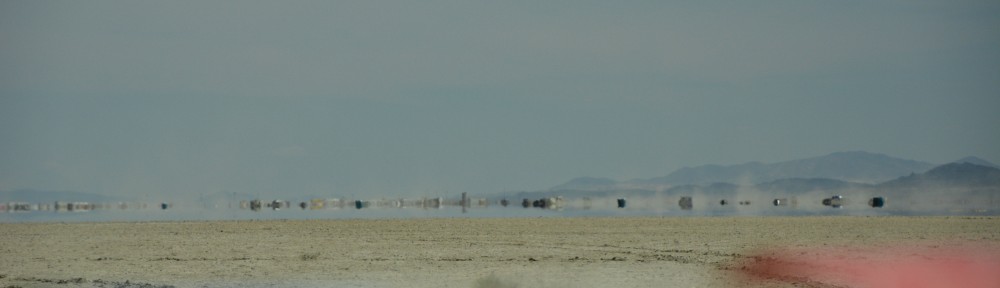
We left our hotel in Reno at about 9 o’clock and headed out into the Nevada desert. First on a highway, then on a smaller road that brought us the roughly 200 km north into Black Rock desert.
The desert was named after – surprise! – a big black rock that marks its northern end. It was crossed by several famous parties that headed west for California during the Gold Rush.
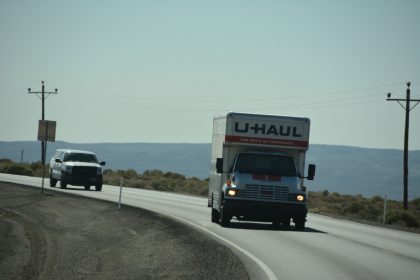
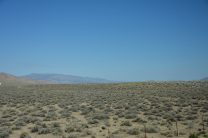
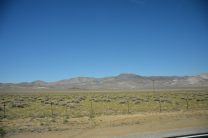
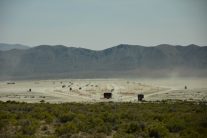
The land dried out quickly after we left Reno, and we made a final stop for sandwiches in Empire, a small desert spot with a couple of houses. The few communities out here have arranged themselves with Burning Man and the 70000 people floating in this year.
The closer we got to Black Rock City, as the site of Burning Man is called, the more sandwich places popped up, as well as numerous costume shops, thrift stores and markets.
As we head into the desert, we need to bring every little thing with us, so the stores cater for the camper who have forgotten a stake, batteries, camping gas, or for the desperate Burner who needs a last minute EL-wire for his costume, hot pants or some other weird outfit.
After this stop we passed through the town of Gerlach, the last town before rolling into the playa from the south.
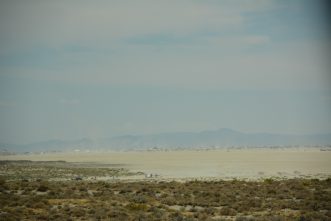
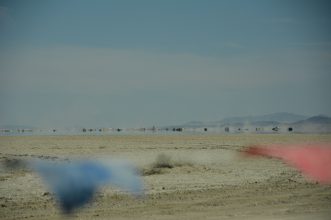
One last bend over a little hill, and we could see it, the seemingly endless playa, the dried out bed of the Pleistocene Lake Lahontan, some millennia ago.
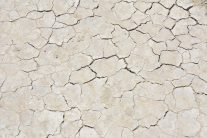
What was once the lake bed under 500 feet of water is now a flat plane, basically a valley filled up with sediment.
As Black Rock desert is surrounded by mountains, the only way the snow can melt is into the plane, and in a wet year it is covered by a temporary lake some two feet deep.
Now however, a huge part has been transformed into Black Rock City. From far we could see the first camps that had already been set up, and the big wooden man that gives the name to the festival.
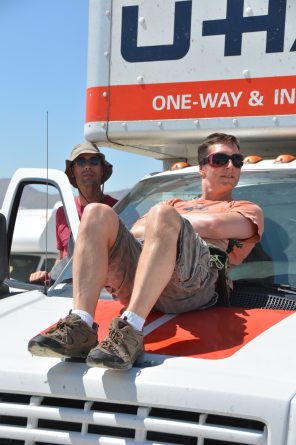
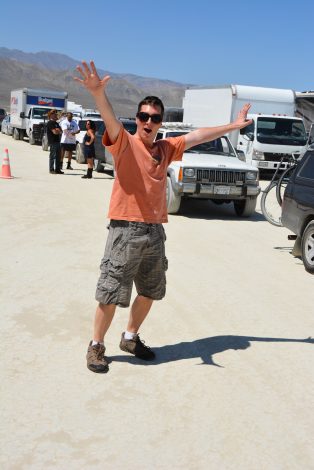
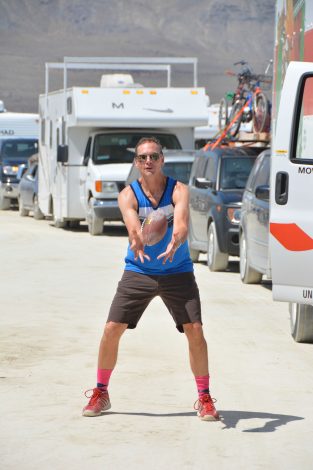
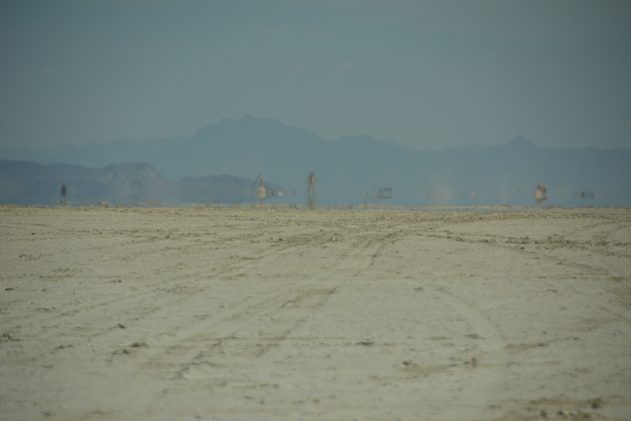
As we had early arrival passes, we could come onto the playa before the general opening on Sunday, which gave us a bit of a head start. It also meant that there were less people who rolled onto the playa, hence waiting time was limited.
They check the tickets and give instructions how to find your camp side upon entry, and had set up countless entry lines on the desert place. Speed is limited to 10 miles per hour, a measure to limit the dust clouds produced by thousands of cars to a minimum.
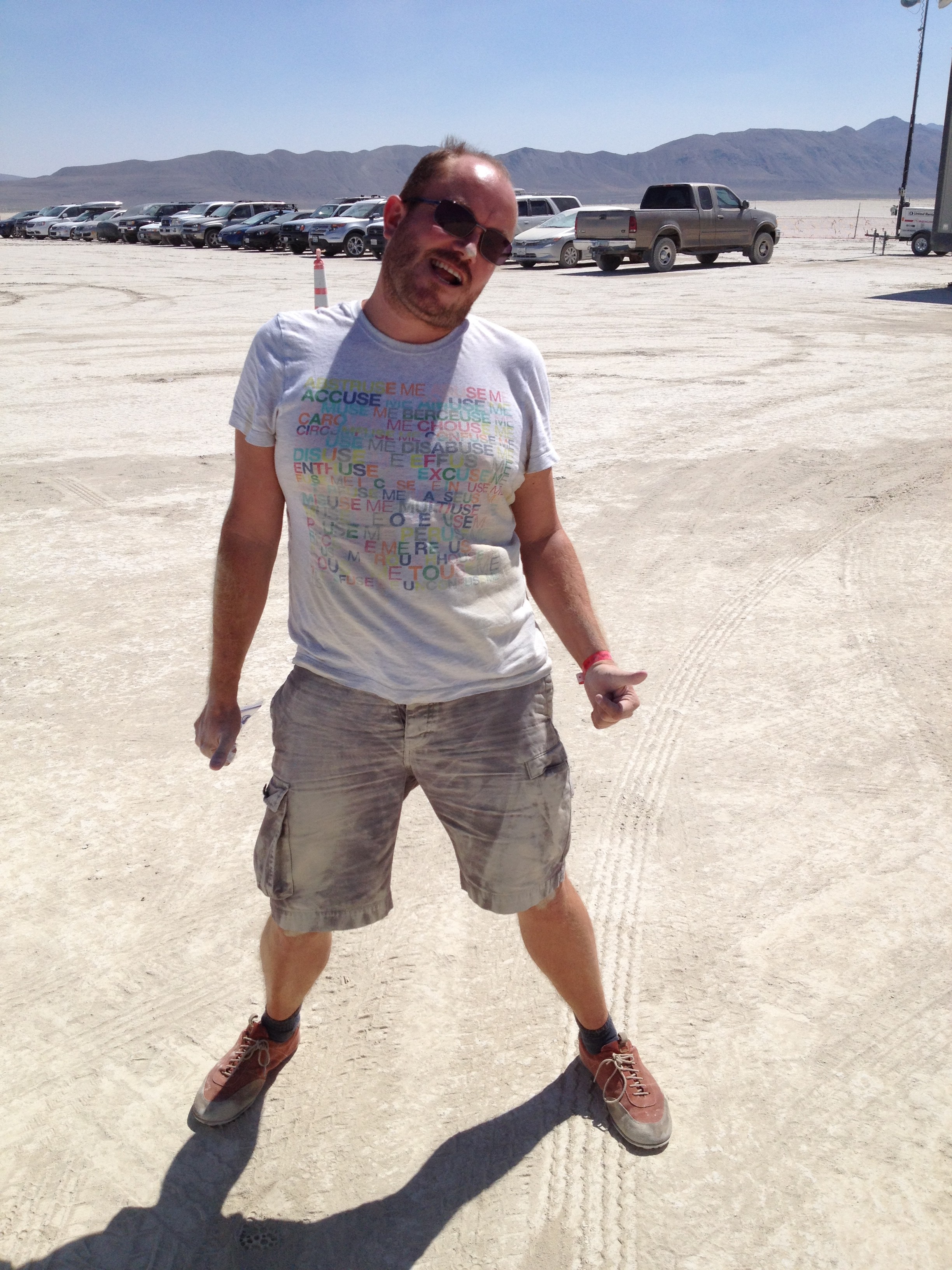 We stood in our line, slowly inching forward for maybe an hour, until we reached the gate.
There, unannounced by my camp mates, the Burning Man virgins had to come out, lie down and make a dust angel onto the playa, roll around and kiss it.
I got, well, really dusty, then had to bang a big bell and renounce my Burning Man virginity.
Covered in dust, we arrived on the playa.
As the older Burners say: welcome home.